Danish Centre for Ecosystem Recovery
Danish Centre for Ecosystem Recovery
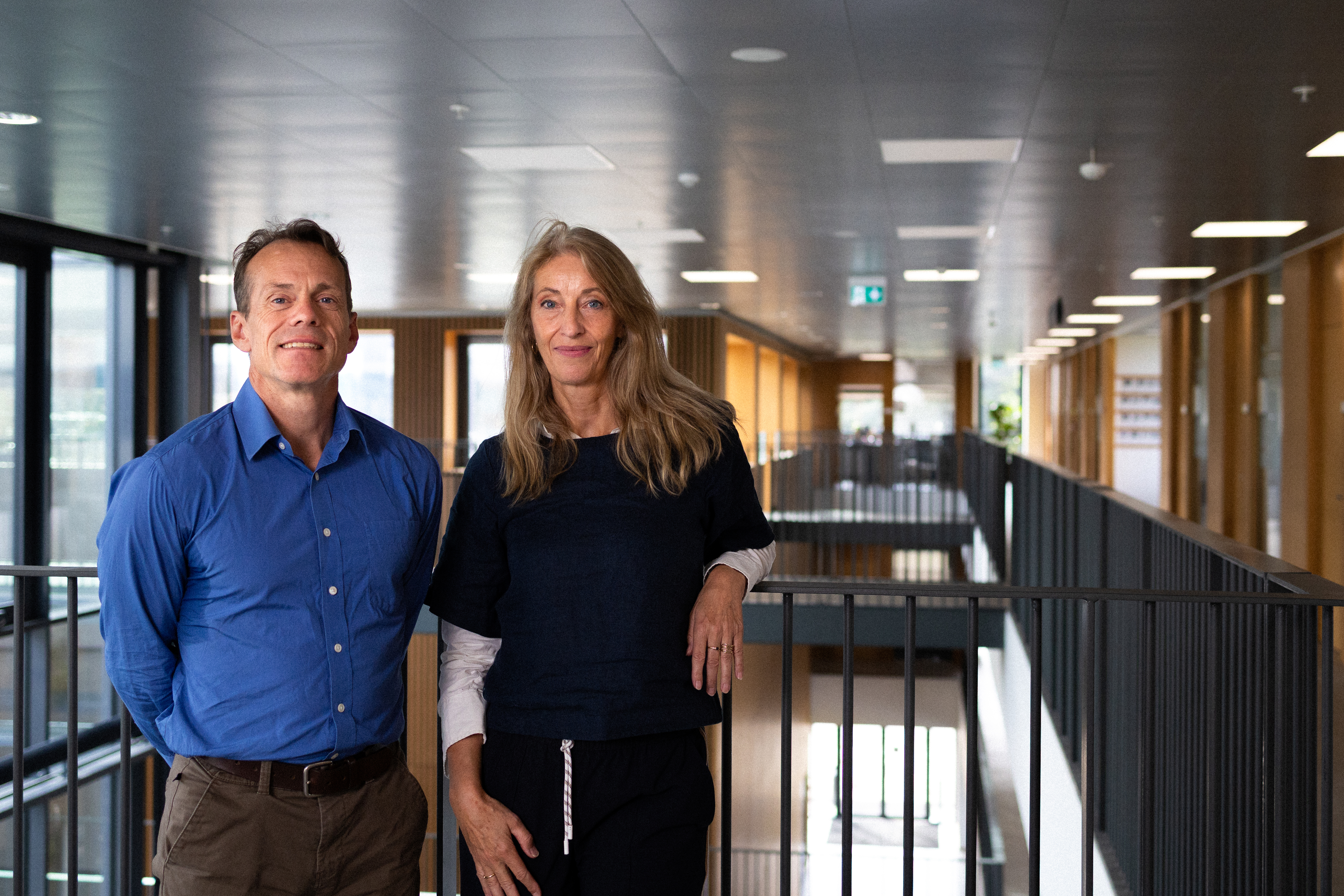
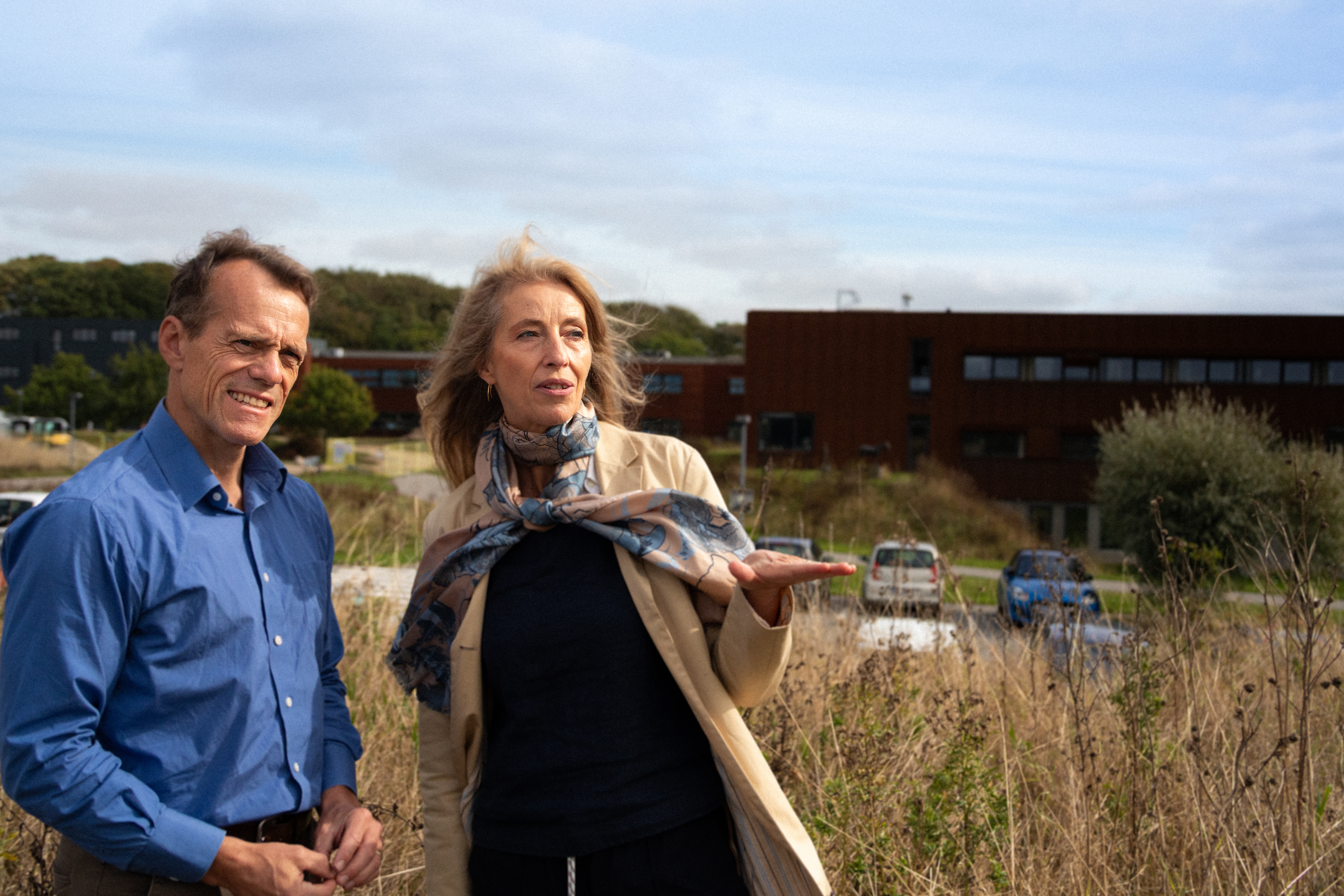
'Danish Centre for Ecosystem Recovery (DanCER)' is led by Professor Samuel Cushman, PhD, of the University of Southern Denmark, and Professor Ellen Braae, PhD, of the University of Copenhagen. Photo: Olala
Published:
22.09.2026
'The Danish Centre for Ecosystem Recovery (DanCER)' will build a predictive science of landscape transformation, linking ecological theory with socio-spatial analysis to identify how landscape form shapes ecosystem recovery and human stewardship. DanCER will deliver transferable, testable models that enable forward prediction of biodiversity, carbon, water, and long-term public engagement outcomes.
'The Danish Centre for Ecosystem Recovery (DanCER)' brings together researchers from landscape ecology and landscape architecture.
The centre is led by Professor Samuel Cushman, PhD, of the University of Southern Denmark, and Professor Ellen Braae, PhD, of the University of Copenhagen.
Project discipline: Biology (including genetics and evolutionary biology).
Secondary project disciplines: Sociology, anthropology and ethnology.
What
DanCER studies how to redesign landscapes so they restore nature while enhancing human life. By analysing how spatial patterns, ecosystems, and human land-use interact, the centre uses Denmark’s ongoing land-use reforms as a real-world laboratory to develop practical, science-based principles for creating biodiverse, climate-resilient, and socially valued landscapes.
Why
Society invests billions in nature restoration and climate adaptation, yet we cannot reliably predict which projects will succeed or last. Ecological effects, landscape history, design, and human use are rarely studied together. Without predictive knowledge, large-scale landscape change risks wasting resources and public trust.
How
DanCER brings together ecologists, landscape researchers, and designers to study real changes as they happen. Using remotely sensed and historical data, field studies, and public input, the team will track what works, test alternative spatial configurations, compare predicted and observed outcomes, and iteratively refine models. This creates a shared knowledge base to guide landscape change.
Centre directors

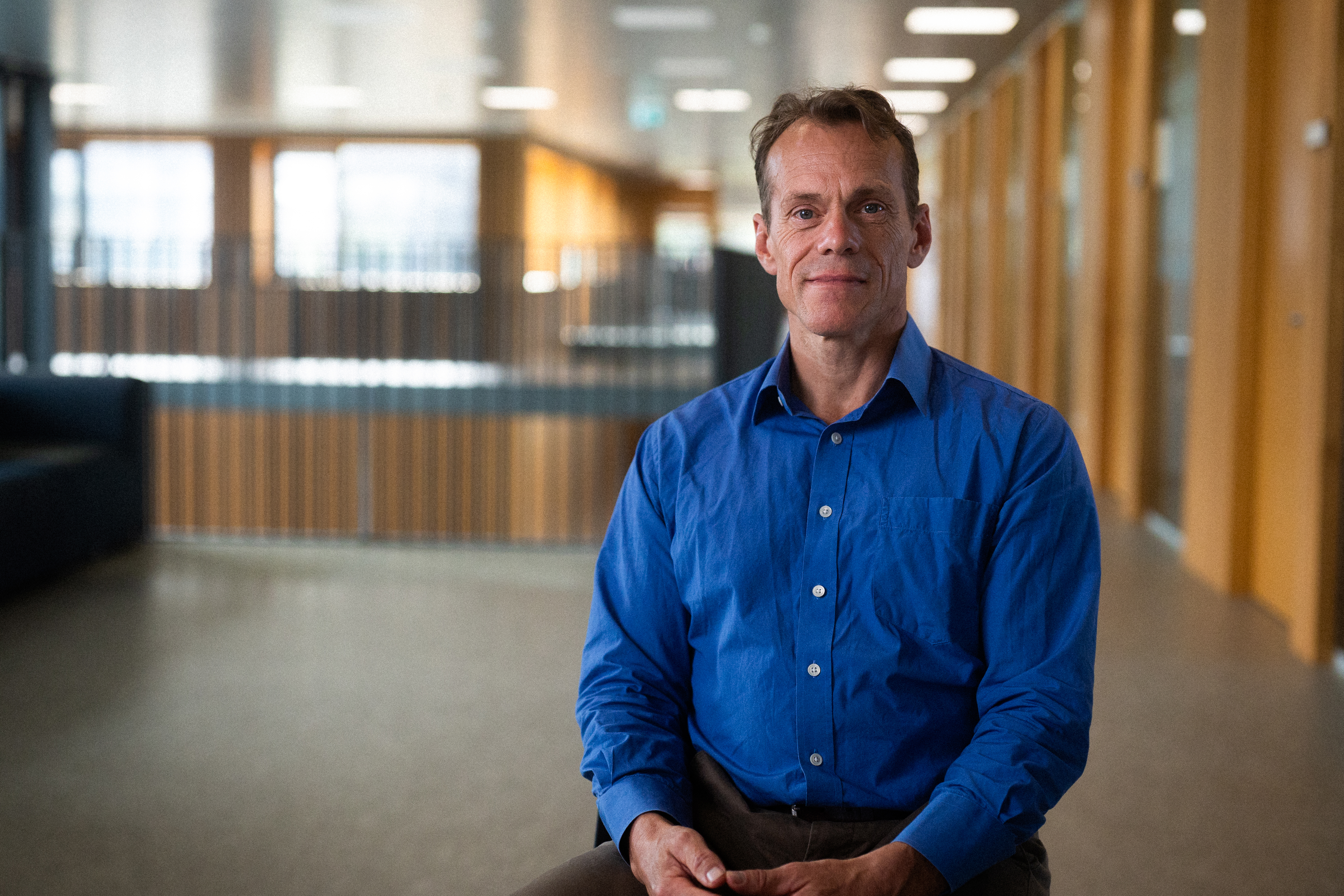
Professor Samuel Cushman, PhD

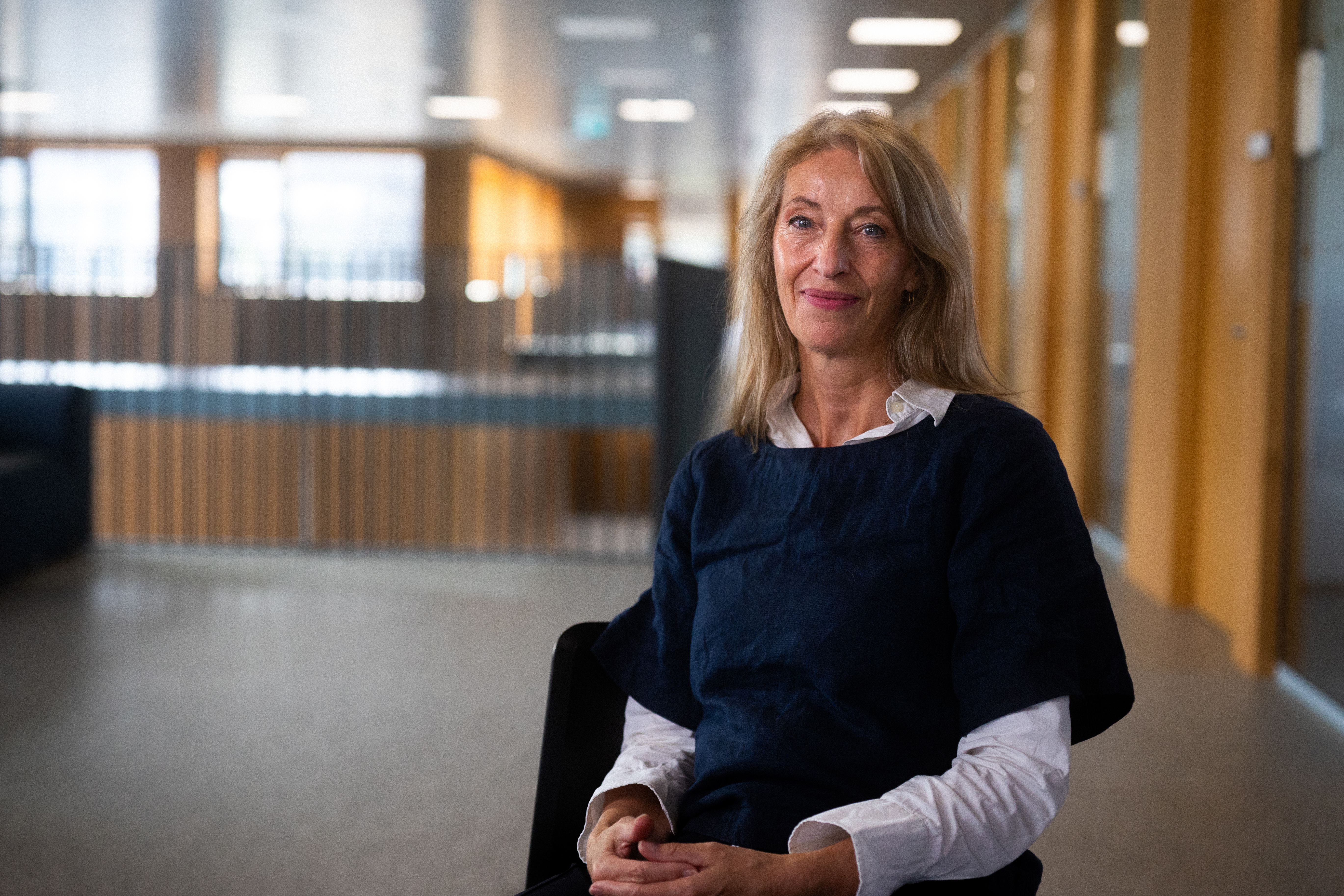
Professor Ellen Braae, PhD