
The Carlsberg Foundation celebrates 150 years with DKK 150 million for three interdisciplinary research centres
The Carlsberg Foundation celebrates 150 years with DKK 150 million for three interdisciplinary research centres
The three Carlsberg Foundation Interdisciplinary Research Centres will strengthen collaboration across disciplinary boundaries in Danish basic research. They will explore the significance of quantum technology for people and society, human thinking and agency in a future shaped by AI, and how landscapes affect ecosystems and how they are managed.
Published:
22.09.2026
On Friday, 25 September, the Carlsberg Foundation celebrates its 150th anniversary. To mark the occasion, the Foundation is awarding DKK 150 million to three Carlsberg Foundation Interdisciplinary Research Centres, which over the next six years will bring together researchers across disciplines and institutions to pursue ambitious interdisciplinary basic research projects.
How is artificial intelligence changing human thinking and creativity – and how can we preserve human agency and critical thinking in a future with AI?
How does the design of the landscape affect the recovery of ecosystems and people’s management of them – and how can we better predict developments in biodiversity, carbon and water in the future?
How are practices, markets and forms of governance around quantum technology shaped and developed – and how can we best navigate the opportunities and uncertainty that come with it in the future?
In brief, these are the research questions that three new 'Carlsberg Foundation Interdisciplinary Research Centres' will focus on over the next six years.
DKK 150 million for three new research centres
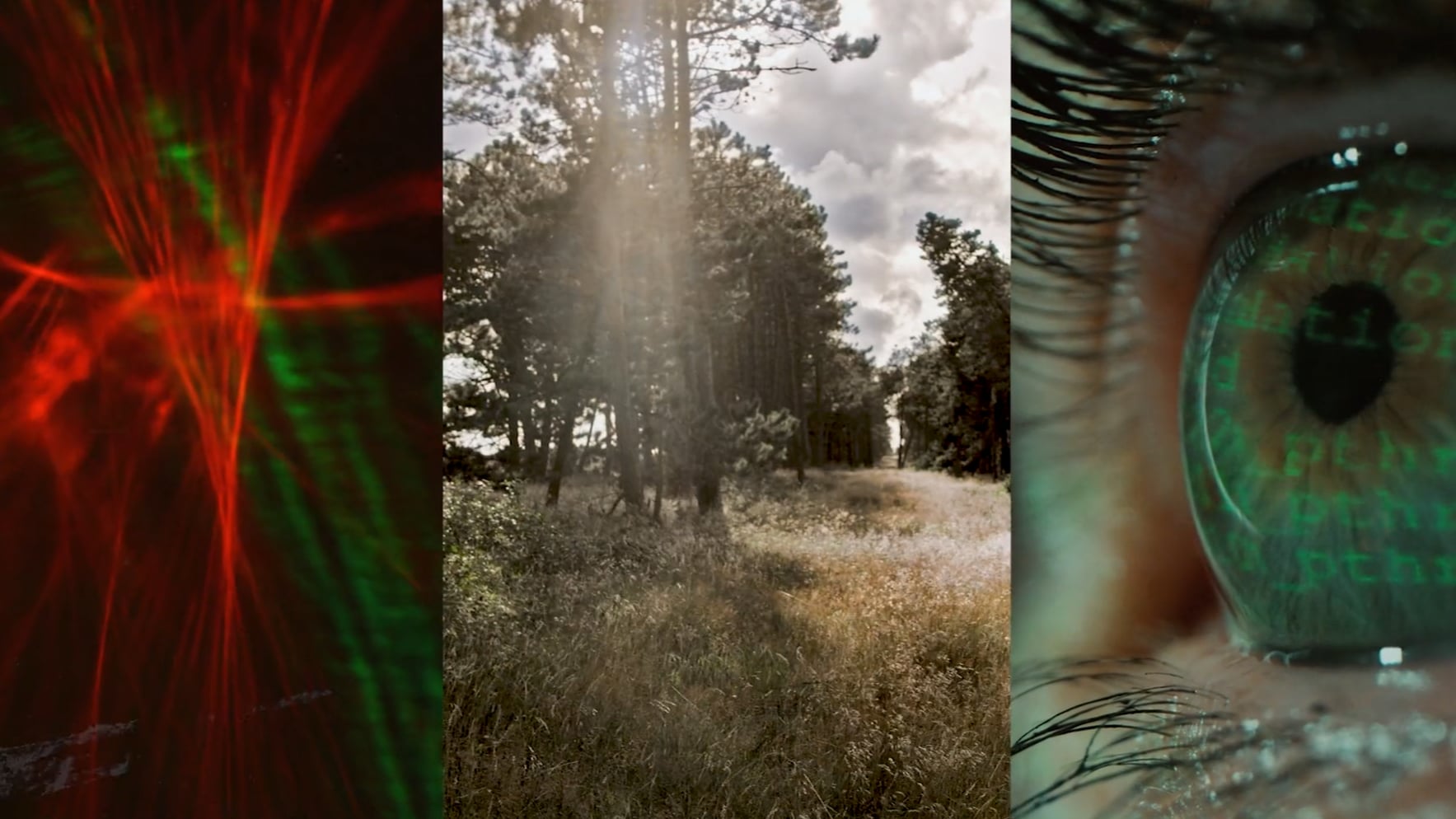
The centres are being awarded to mark the Carlsberg Foundation’s 150th anniversary with the aim of promoting interdisciplinarity and collaboration within Denmark’s basic research community. Each of the three centres will be jointly led by several research leaders on an equal footing and will address complex questions that both define our time and merit in-depth interdisciplinary investigation with an eye to the future.
“First and foremost, I would like to congratulate the researchers who will now have the opportunity to investigate ambitious and important questions across disciplinary boundaries in three new research centres,” says Professor Lasse Horne Kjældgaard, CEO of the Carlsberg Foundation. “I can hardly imagine a better way to celebrate the Carlsberg Foundation’s 150th anniversary. It marks 150 years of support for independent basic research in Denmark, founded on the belief that groundbreaking discoveries largely depend on researchers having the freedom to develop and investigate their own original ideas and lines of enquiry. With these three new interdisciplinary research centres, we want to create the best possible conditions for researchers from different fields to come together to investigate major and complex research questions. It is often when disciplines meet that new perspectives, insights and methods emerge.”
Lasse Horne Kjældgaard adds:
“Danish basic research has a very strong international standing. The three centres have been selected because they have the potential to raise the bar even further. They combine outstanding scientific quality with compelling ambitions to generate new, tangible knowledge through close, long-term collaboration across disciplines and institutions. We are looking forward to following the centres as they develop over the next six years.”
The three 'Carlsberg Foundation Interdisciplinary Research Centres' are:
Thinking With Machines: Human Cognition in the Age of GenAI
'Thinking With Machines: Human Cognition in the Age of GenAI'
investigates how human cognition transforms as generative AI enters everyday thinking environments. Across education, creativity, and scientific discovery, we combine ethnographic inquiry, interaction design, and participatory methods to map cognitive change, explore new human-AI collaboration forms, and build frameworks that preserve agency and critical thinking.
The centre brings together researchers from computer science and the humanities.
The centre is led by Professor Niklas Elmqvist, PhD, Professor Peter Dalsgaard, PhD, and Professor Marianne Graves Petersen, PhD, all of Aarhus University.
Danish Centre for Ecosystem Recovery (DanCER)
'The Danish Centre for Ecosystem Recovery (DanCER)' will build a predictive science of landscape transformation, linking ecological theory with socio-spatial analysis to identify how landscape form shapes ecosystem recovery and human stewardship. DanCER will deliver transferable, testable models that enable forward prediction of biodiversity, carbon, water, and long-term public engagement outcomes.
The centre brings together researchers from landscape ecology and landscape architecture.
The centre is led by Professor Samuel Cushman, PhD, of the University of Southern Denmark, and Professor Ellen Braae, PhD, of the University of Copenhagen.
Crafting Quantum: From Scientific Promise to Societal Pathways
Quantum technologies are powerful yet hard to grasp. ‘Crafting Quantum: From Scientific Promise to Societal Pathways’ brings humanities and social sciences together with people and organisations working in quantum technology to explore how practices, markets and governance are created and continuously revised. The centre will develop practical formats that help society navigate uncertainty, test claims, and make informed decisions about the future of quantum technologies.
The centre brings together researchers from the fields of organisation and management studies, history, and sociology.
The centre is led by Professor Christina Lubinski, PhD, and Professor Silviya Svejenova, PhD, both of Copenhagen Business School, and Professor Christian Borch, Dr.Scient.Soc. of the University of Copenhagen.
About the Carlsberg Foundation Interdisciplinary Research Centres
Each of the three ‘Carlsberg Foundation Interdisciplinary Research Centres’ will receive DKK 50 million in funding over six years.
A common feature of the centres is that they bring together researchers from different academic disciplines to address research questions that cannot be adequately explored from one single disciplinary perspective. The centres are led by teams of researchers and must involve at least two of the three main academic fields supported by the Carlsberg Foundation: natural sciences, social sciences and humanities. The initiative is intended both to pave the way for new interdisciplinary research findings and to help develop long-term, sustainable collaborations between research disciplines in Denmark.
The Carlsberg Foundation received 58 applications for the ‘Carlsberg Foundation Interdisciplinary Research Centres’, requesting a total of almost DKK 2.8 billion. All applications underwent external peer review, and selected applicants were also invited for interviews as part of the application process.
Science for Denmark since 1876
This year, the Carlsberg Foundation celebrates its 150th anniversary.
On 25 September 2026, it will be exactly a century and a half since brewer J.C. Jacobsen established the Carlsberg Foundation. In the brewer’s own words, the Foundation was to be “for the benefit of science and the honour of Denmark”. By establishing the Foundation, he made it possible for part of the proceeds from the Carlsberg brewery to benefit science through grants to Danish research.
J.C. Jacobsen himself placed great value on the flourishing science of his time and, by establishing the Foundation, sought to help secure the strength and position of science in society far into the future.
Throughout 2026, we are celebrating 150 years of advancing science in Denmark through the Carlsberg Foundation. We will pay tribute both to independent basic research and to the Danish enterprise foundation model, which gained momentum with the establishment of the Carlsberg Foundation – the world’s first enterprice foundation.
Newsletter
Are you a researcher and interested in news related to our calls and grants? Or do you want to keep up with news about the foundation’s activities? Then sign up for one of our newsletters here.